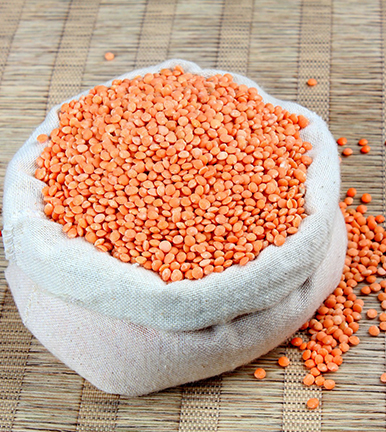
Pulses

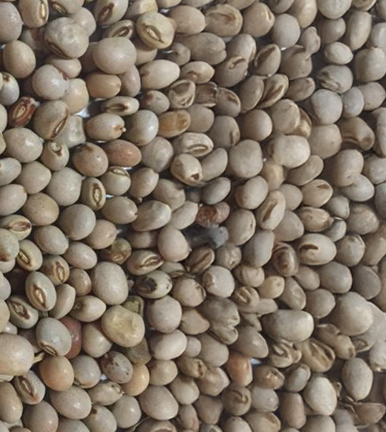
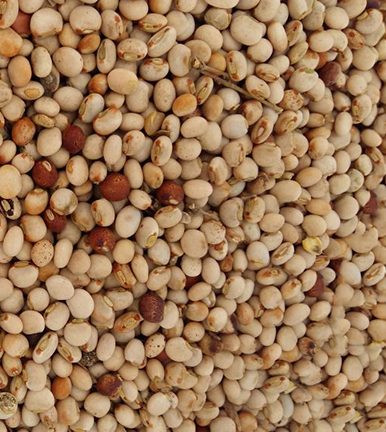
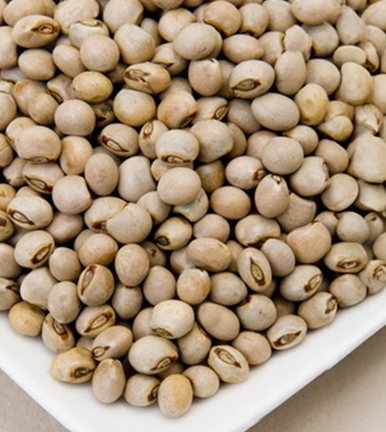
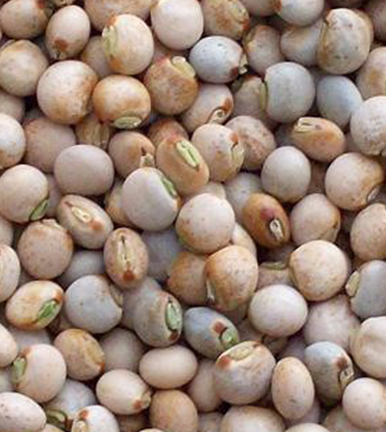
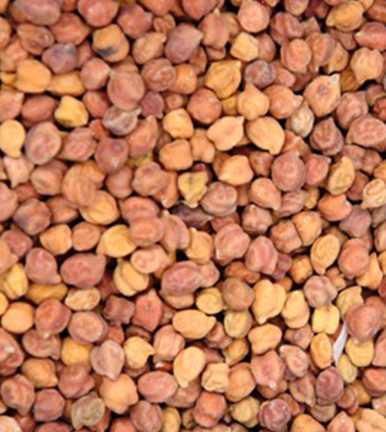
Pigeon Peas / Red Gram (Toor /Arhar)

Pigeon Peas (Cajanus Cajan)

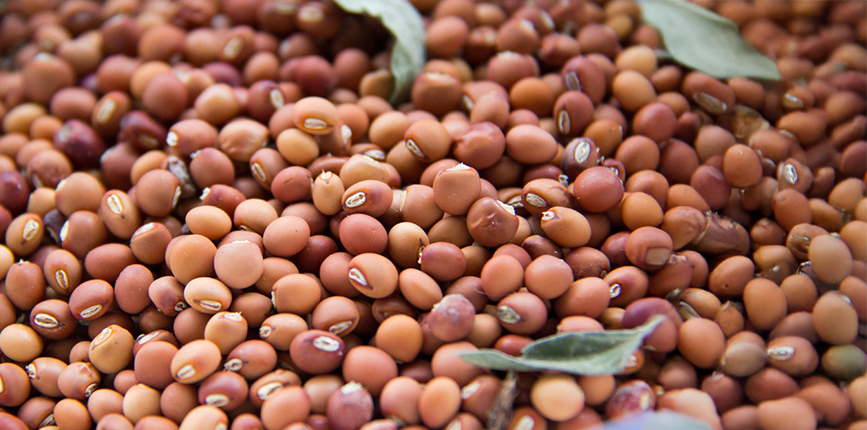
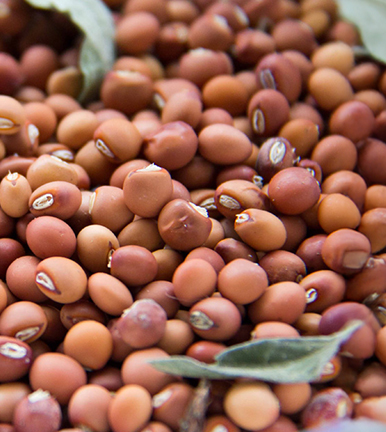
Pigeon peas, known as toor or arhar dal, are India’s second most cultivated pulse and a staple in everyday diets. Grown mainly in Maharashtra and Karnataka during the Kharif season, they take about 5–6 months to mature, contributing to the country’s 28–30 lakh tonnes of annual output.

Nutritional Benefits of Pigeon Peas 
  • Excellent source of plant-based protein, about 11 grammes per cup cooked, making it perfect for vegetarians and vegans.  
  • Rich in antioxidants that cut chronic disease risk, enhance immunity, and fight inflammation.  
  • Rich in fibre, it regulates blood sugar, supports digestive health, and strengthens heart function.  
  • Essential vitamins such as vitamins B1, B2, B3, and folate (B9) and high in minerals such as iron, potassium, and magnesium  

Despite being the world’s leading producer and consumer, India still imports pigeon peas because climate variations, pests, and fluctuating yields often reduce supply. With rising urbanisation and growing demand for protein-rich diets, imports help bridge the supply-demand gap. Notably, production dropped by over 17% between 2022 and now, further driving imports.

Key suppliers include Myanmar and African nations like Mozambique, Tanzania, Kenya, and Malawi. However, exporters face challenges such as sudden shifts in Indian import policies, strict quality checks, and phytosanitary requirements. Success in this market depends on meeting regulatory standards, ensuring consistent quality, and building strong ties with local importers.
country

Burmese - Red Toor

Kenya - Pigeon Peas

Malawi - Pigeon Peas

Mozambique - Pigeon Peas

Tanzania (Arusha & Matwara) - Pigeon Peas

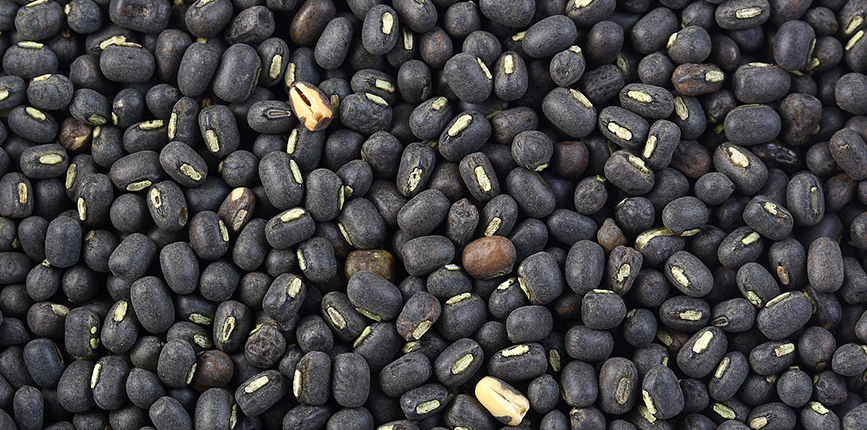
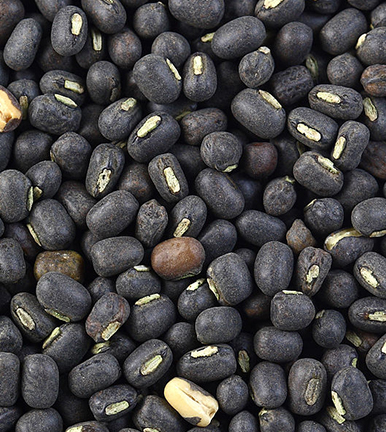
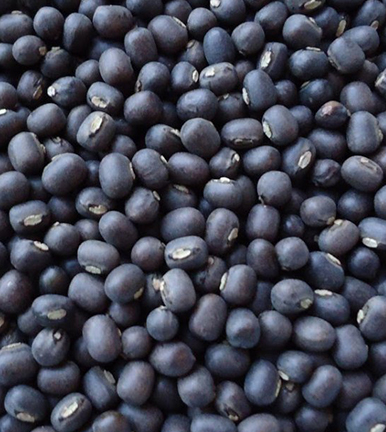
Black Matpe / Black Gram (Urad)

Black Matpe (Vigna Mungo)

Black matpe, commonly known as urad dal, is a staple in most Indian households across all regions. Whether it is dal makhani from the kitchens of Punjab or fluffy idlis and crispy dosas from the South, all use urad dal. Prominent local producers of black matpe, grown in both kharif and rabi seasons, are Maharashtra, Madhya Pradesh, Tamil Nadu, Andhra Pradesh, and Rajasthan. The annual production of this crop is between 16-18 lakh tonnes in India.  

Nutritional Benefits of Black Matpe
  • Rich in dietary fibre and antioxidants, it fights diabetes, improves heart health, and tackles inflammation.
  • It is loaded with essential minerals such as iron, calcium, phosphorus, magnesium, and potassium, which support bone health and act as an energy booster.
  • With around 25 grams of protein per cup, black matpe is an excellent source of plant-based protein, making it ideal for vegans and vegetarians.

Despite being a major producer and consumer, India continues to import black matpe. Climate risks, pests, and policy-driven fluctuations often affect yields, while rising health consciousness and demand for pulses widen the supply-demand gap.

Myanmar and Brazil are the key suppliers. Exporters, however, face challenges such as price volatility, sudden policy shifts, strict quality and food safety standards, and trade barriers. Success in India depends on competitive pricing, compliance, and efficient supply chains.

country

Burmese - Black Gram (Special Quality)

Burmese - Black Gram (Fair Average Quality)

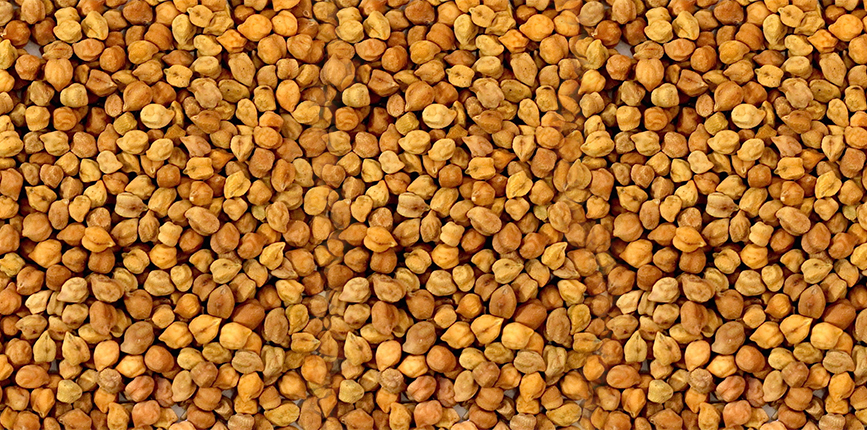
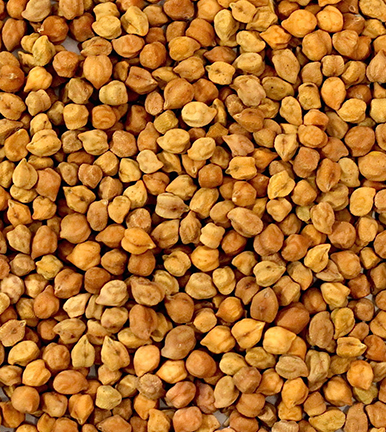
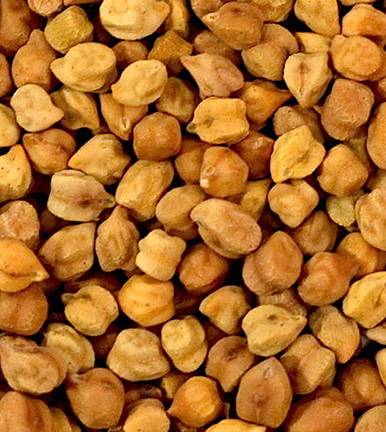
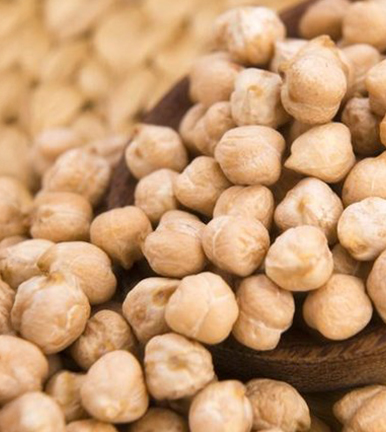
Gram / Chana

Gram (Cicer Arietinum)

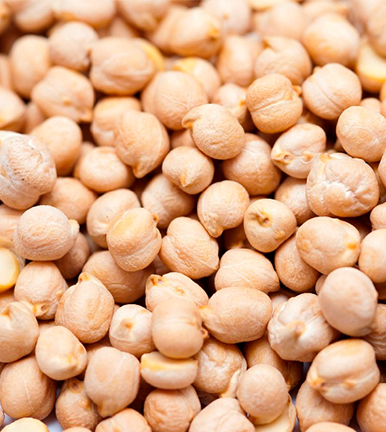
Gram, popularly known as chana, is one of the oldest pulses known to mankind and an indispensable part of Indian diets. From the humble chana dal and besan used in everyday cooking to festive dishes like sweets and savouries, its presence is deeply rooted in India’s culinary traditions. India stands as both the largest producer and consumer of chana, with an estimated annual output of 65-70 lakh tonnes. Madhya Pradesh contributes the lion’s share (around 39%), followed by Rajasthan (15%) and Maharashtra (14%), among other states.

Nutritional Benefits of Gram
  • Packed with protein and dietary fibre, it helps in muscle growth, digestion, and weight management.
  • Rich in iron, folate, phosphorus, and magnesium, which support energy production and bone health.
  • Its low glycaemic index makes it suitable for diabetics and those seeking better blood sugar control.
  • Versatile and nutrient-dense, it supports both traditional and modern healthy diets.

Despite being the world’s largest producer, India’s soaring consumption of chana outstrips domestic supply. Fluctuations in yield due to weather risks, coupled with rising demand from households and food processing industries, necessitate large import volumes to bridge the gap.

Australia is one of the leading exporters of chana to India, while Turkey, Tanzania, the USA, and Canada also supply significant quantities. Exporters, however, face challenges such as unpredictable trade policies, price sensitivity, and strict adherence to India’s quality and safety norms. A consistent supply chain and competitive pricing are vital to successfully meet India’s growing appetite for chana.

country

Australia - Bengal Gram

Australia - Chickpeas (Kabuli)

Mexico - Chickpeas (Kabuli)

Tanzania - Bengal Gram

USA - Chickpeas (Kabuli)

Green Gram (Moong)

Green Gram (Vigna Radiata)

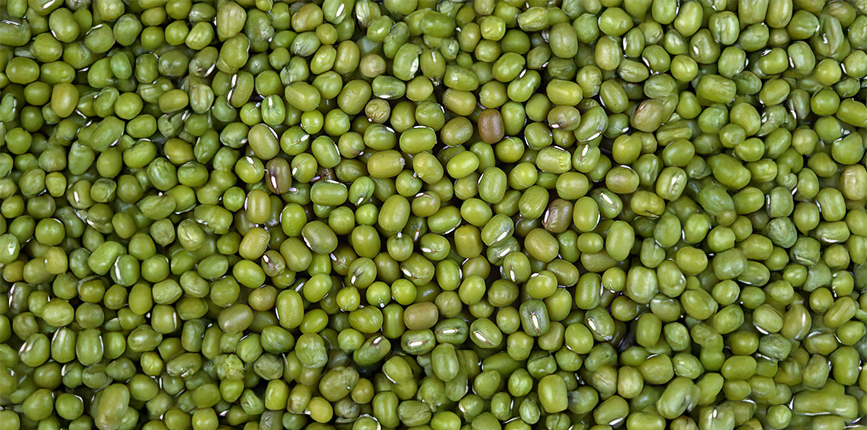
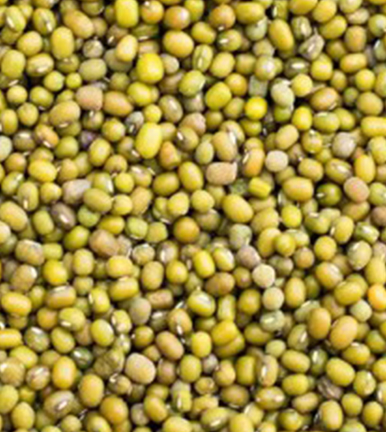
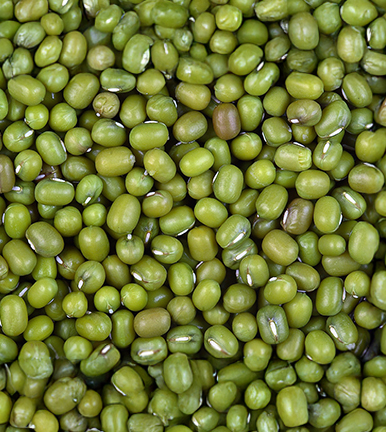
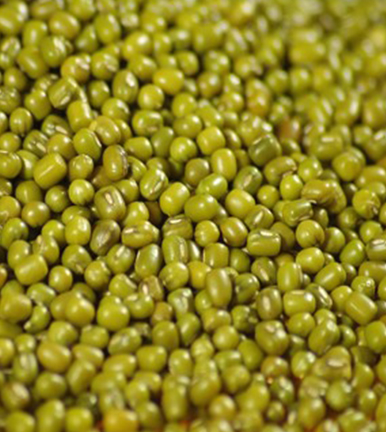
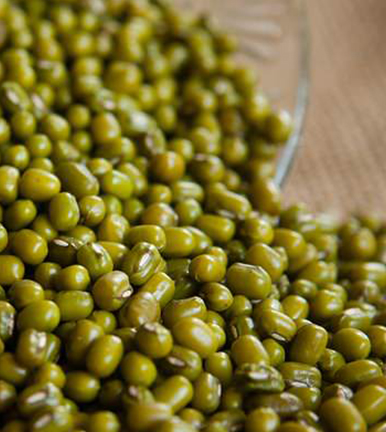
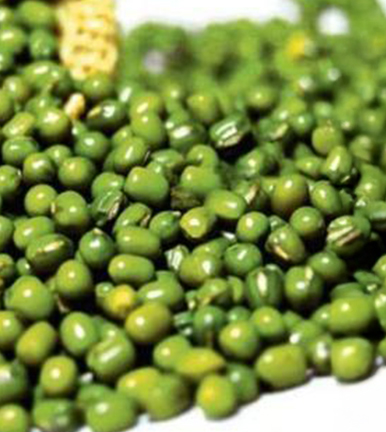
Green gram, popularly known as moong, is among the most widely consumed pulses in India. From comforting khichdi and sprouted salads to moong dal halwa and pakoras, its versatility makes it a household staple across the country. Cultivated during all three major agricultural seasons, green gram has the shortest crop duration among pulses, taking only about 65–75 days to harvest. Rajasthan and Maharashtra together account for the largest share of production, with India producing around 15–20 lakh tonnes annually.

Nutritional Benefits of Green Gram
  • A powerhouse of plant-based protein, supporting muscle growth and overall nutrition.
  • High in antioxidants, which help fight inflammation and strengthen immunity.
  • Rich in folate, magnesium, potassium, and fibre, making it beneficial for heart health and blood sugar regulation.
  • Easily digestible, making it ideal for children, elderly, and those recovering from illness.

Although India is one of the largest producers of green gram, domestic demand consistently outpaces supply. Its rising popularity in health-conscious diets, coupled with shortfalls due to erratic rainfall and pest-related risks, makes imports necessary.

Myanmar, Kenya, Mozambique, Uzbekistan and Australia are India’s primary suppliers of green gram. Exporters often face hurdles such as price volatility, sudden import policy changes, and stringent quality standards. Consistent supply and competitive pricing remain critical to meeting India’s growing appetite for moong.

country

Australia - Green Gram (Moong)

Burmese - Green Gram (Moong)

Kenya - Green Gram (Moong)

Mozambique - Green Gram (Moong)

Uzbekistan - Green Gram (Moong)

Peas (Matar) Yellow/Green

Peas (Pisum Sativum)

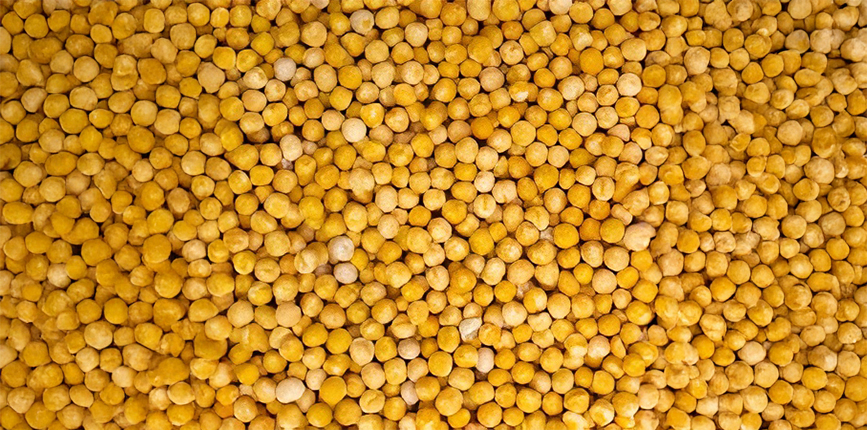
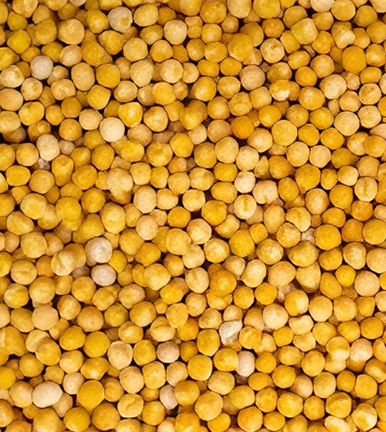
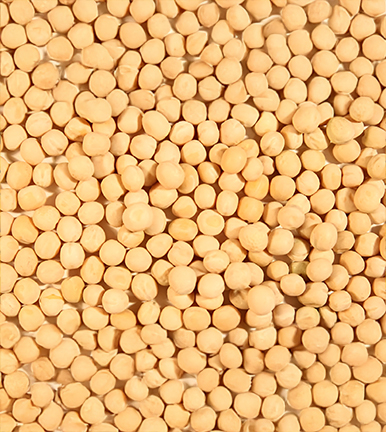
Peas, available in both yellow and green varieties, are among the most widely consumed pulses in India. Known for their versatility, peas are used in everyday cooking, from curries and snacks to processed foods and flour-based products. Uttar Pradesh and Madhya Pradesh together account for over 70% of India’s production, which stands at around 5.5–6.5 lakh tonnes annually.

Nutritional Benefits of Peas
  • A cost-effective and accessible source of plant-based protein.
  • Rich in vitamins A, C, and K, as well as essential minerals like iron and magnesium, supporting immunity and bone health.
  • High fibre content aids digestion and helps manage cholesterol levels.
  • Low in fat and calories, making them an excellent choice for balanced diets.

Despite steady domestic production, India’s demand for peas far exceeds its supply, driven by their affordability, versatility, and use in processed foods. As a result, India imports nearly 15–16 lakh tonnes of yellow and green peas annually to meet the consumption gap.

Canada, Australia, and the United States are the leading exporters of peas to India, alongside contributions from other countries. Exporters face challenges such as price fluctuations, shifting trade policies, and India’s stringent food safety regulations. Stable supply chains and adherence to quality standards remain essential to succeed in the Indian market.

country

Canada - Yellow Peas

Russia - Yellow Peas

Lentils (Lens Culinaris)

Lentils (Lens Culinaris)

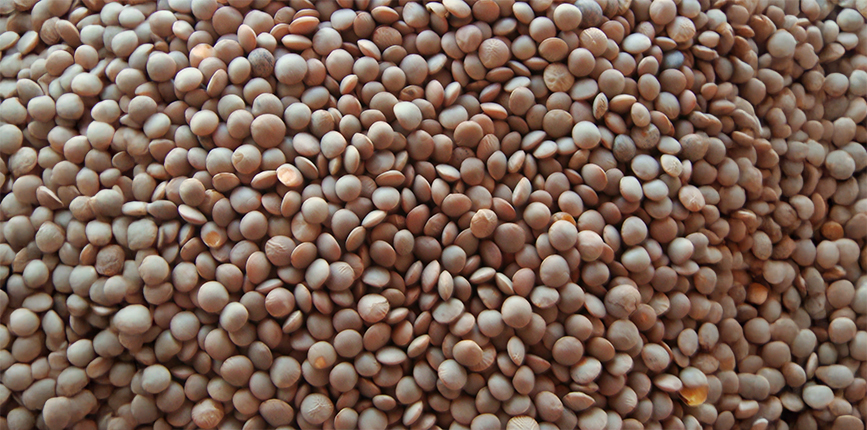
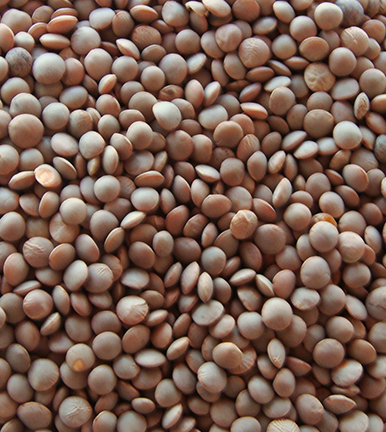
Lentils, popularly known as masur in India, are a staple pulse and an essential part of everyday diets across the country. Whether enjoyed as a simple masur dal or in hearty soups and curries, their quick cooking time and rich flavour make them a household favourite. Grown mainly as a winter crop, lentils thrive on residual soil moisture following the Kharif season. India produces only about 7–10 lakh tonnes annually, concentrated primarily in Madhya Pradesh and Uttar Pradesh.

Nutritional Benefits of Lentils
  • A rich source of plant-based protein, making them an excellent dietary option for vegetarians and vegans.
  • High in iron, folate, and B vitamins, which support energy levels and red blood cell formation.
  • Packed with fibre, aiding digestion and helping manage blood sugar levels.
  • Contains potassium and magnesium, which promote heart health.

Although lentils are one of the most consumed pulses in India, domestic production falls significantly short of demand. With consumption far outpacing supply, India relies heavily on imports to meet its needs. Climate-related risks and relatively low productivity compared to global producers further add to the supply-demand imbalance.

Canada is by far the largest producer and exporter of lentils to India, followed by the United States. Exporters face challenges such as global price volatility, import tariff changes, and the need to comply with India’s strict food safety and quality regulations. Reliable sourcing and competitive pricing remain crucial to serve India’s growing lentil market.

country

Canada - Lentils

USA - Lentils

Back to top